
Social media for home-based businesses: tiffin services, home bakers and small sellers
Social media for home based business owners in India: post ideas for tiffin services, home bakers and small sellers, a weekly plan, festivals and safety tips.

The alarm goes at five. By seven the dal is on, the rotis are being rolled, and twelve steel tiffins are lined up on the kitchen counter for the office-goers in the next society. Or perhaps it is a chocolate cake for a seventh birthday, due at four, while the phone keeps buzzing with "Aunty, can you make eggless?" Or a batch of mango pickle drying on the terrace, with three orders to pack before the courier comes. You meant to post a picture today. You meant to post one yesterday too.
If you run a business from home, you already know the problem with social media for home based business owners: you are the cook, the packer, the delivery planner, the accountant and the marketing team, all before lunch. This guide gives you a realistic plan: what to post, how often, how to stay safe while you do it, and how to keep going through the year without it taking over your evenings.
Why social media for home based business owners matters more
A shop has a signboard. People walk past it every day and remember it. A home kitchen or a home studio has no signboard. Your customers find you through word of mouth, society WhatsApp groups, and the posts they see on their phones.
That makes social media your shopfront. When someone in a nearby colony hears "she makes very good tiffin" and searches for you, what they find decides whether they message you. A page with recent posts, a clear menu, your delivery area and how to order looks like a real, running business. A page whose last post was six months ago looks closed.
Good home business marketing in India is not about going viral. It is about three quiet things:
- Being findable. Your name, what you make and where you deliver, easy to see.
- Being trusted. Clean, consistent posts that show you take your work seriously.
- Being remembered. Showing up often enough that people think of you when they need you.
Stay safe and honest before you post anything
Working from home means your business address is your family's address. Before you start posting, set a few rules for yourself.
- Do not post your full home address. Share your area or a nearby landmark and your delivery radius. Give the exact address only to confirmed customers, in a private message.
- Keep family out of the frame unless they are happy to be in it. Never post identifiable photos of children without written consent from their parents, and that includes your own neighbours' children at a birthday you baked for.
- Show real prices and real sizes. "Full tiffin: 4 rotis, dal, sabzi, rice, salad" builds more trust than "Delicious meals at best price".
- Never post fake reviews or invented praise. Share what real customers say only with their permission. Our post on honest marketing and fake reviews explains why this matters.
- If you sell food, check the rules. Food businesses, even small home ones, may need a registration or licence. Check with your local food authority or a professional what applies to you; this guide cannot advise on that.
Post ideas for each kind of home business
Every home business is different, but the post types repeat. Here is a starting list you can adapt.
| Business | Everyday posts | Trust posts | Order posts |
|---|---|---|---|
| Tiffin service | Today's menu, weekly menu, a dish of the day | Your kitchen's cleanliness routine, fresh vegetables bought that morning | Monthly plan, trial tiffin, delivery timings and area |
| Home baker | A cake or cookie you made this week, flavour of the week | Ingredients you use, eggless or not, how far ahead to order | Order cut-off for weekends, custom cake process, festival boxes |
| Pickles, masalas and snacks | One product in focus, how to use it in a recipe | How it is made, small batches, the family recipe story | Pack sizes, courier or local delivery, festive hampers |
| Handmade crafts and candles | One piece in detail, a colour or design story | Your process, materials, the time each piece takes | Custom orders, gifting, bulk orders for events |
| Home resellers (sarees, suits, cosmetics) | New stock, one item a day | How you pick stock, your return or exchange rule | How to order, payment and delivery, catalogue link |
For tiffin service posts especially, the weekly menu is the post people save and share. Make it the same day and time every week so families start expecting it.
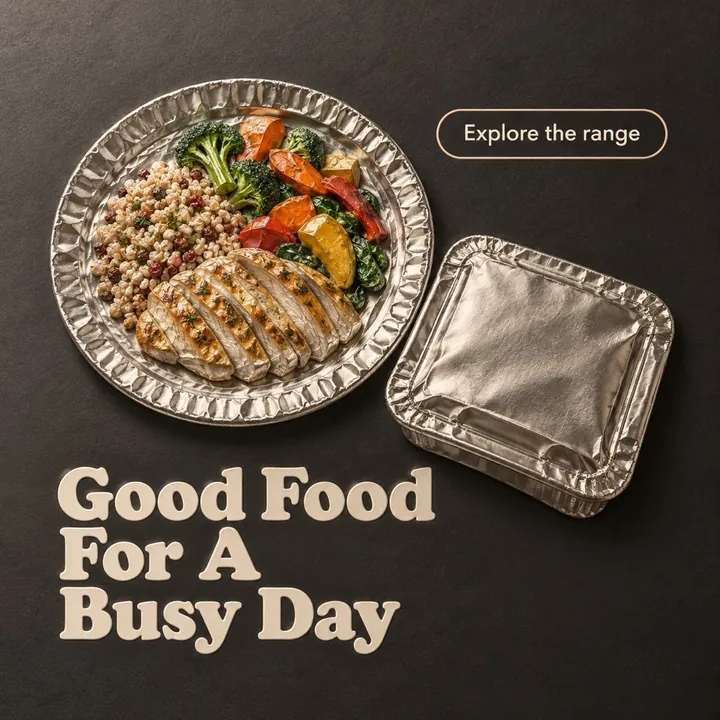
Homemade products on Instagram: what makes people stop
When you post homemade products on Instagram, you are competing with big brands on the same screen. You will not beat them on budget. You can beat them on being real and close by.
- Show the hands. Rolling, piping, packing, tying the ribbon. Hands make it feel homemade.
- Show the before and after. Raw mangoes and the finished pickle jar. Flour and the finished loaf.
- Name the local detail. "Delivered fresh in Kothrud and Karve Nagar" tells a nearby customer you are for them.
- Answer one question per post. Do you make eggless? Do you deliver on Sundays? How long does the pickle keep? Each answer is a post.
- Keep a steady look. The same logo position, the same colours, the same tone. Our guide to brand consistency on social media shows how small sellers can look as put-together as a big brand.
If you take your own product photos, our tips on product photography for small businesses help you get clean, bright pictures on a phone, near a window, without special equipment.
A weekly rhythm a busy home business can keep
Daily is ideal, but only if it is realistic. Here is a simple week of small seller promotion that works with a full kitchen schedule.
| Day | Post type | Example |
|---|---|---|
| Monday | The plan for the week | This week's tiffin menu, or this week's flavours |
| Tuesday | One product in focus | Our methi thepla, or the dark chocolate cake |
| Wednesday | Trust and process | How we clean and pack, or why we use pure ghee |
| Thursday | A useful tip | How to store homemade pickle, or how to keep a cake fresh |
| Friday | Weekend orders | Last day to order for Saturday and Sunday |
| Saturday | Happy moments | A customer's party table, shared with their permission |
| Sunday | Rest, or a greeting | A simple seasonal greeting, or no post at all |
Put the same post on WhatsApp Status. For many home businesses, WhatsApp is where the orders actually happen, and our guide to the WhatsApp Business catalogue and posts shows how to set that up properly.
Plan the year around festivals and seasons
For home businesses, festivals are often the busiest weeks of the year. Plan your posts, and your stock and kitchen time, a few weeks ahead.
- Makar Sankranti and Lohri (usually 14 January for Sankranti): til laddoos, chikki, gajak, gift boxes.
- Holi (usually in February or March): gujiya, thandai mixes, namkeen boxes.
- Summer: pickle and papad season, cool drinks, light tiffin menus.
- Raksha Bandhan (usually in August): sweet boxes, chocolate hampers, rakhi gift combos.
- Ganesh Chaturthi and Navratri (usually August to October): modaks, fasting menus, puja-day orders.
- Diwali (in October or November): dry-fruit boxes, homemade sweets, diyas and candles, corporate gifting.
- Christmas and New Year (25 December and 1 January): plum cakes, cookies, party orders.
- Wedding season: bulk sweets, return gifts, mehendi-day snacks.
Festivals like Holi, Diwali, Navratri and Raksha Bandhan move each year, so check this year's date before you announce your order cut-off. Post your "festival orders open" message early, with a clear last date to order.
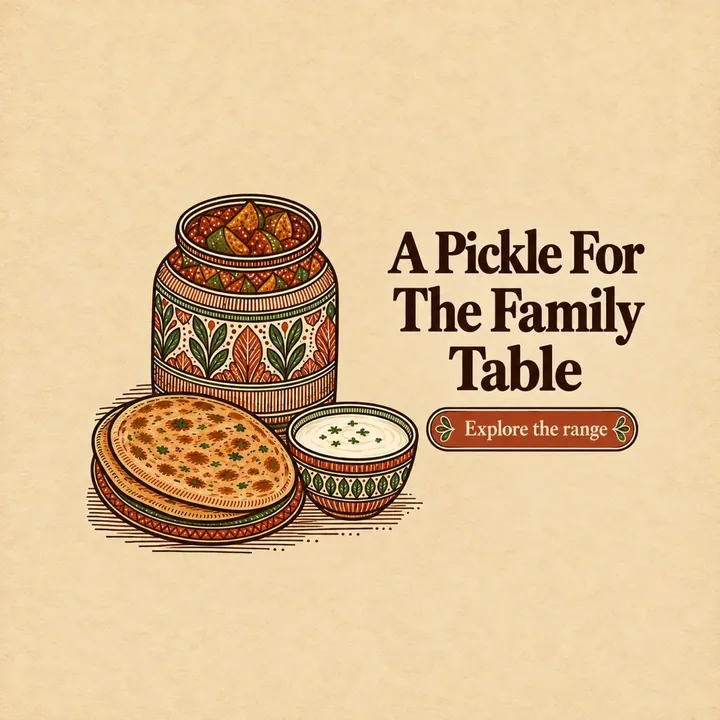
Your own photos and finished posts: use both
Here is an honest point about social media for home based business pages. Real photos of your real food and products are powerful, because customers want to see exactly what they will get. No tool should replace that.
But you will not have a great photo every day, and on the days you are packing forty boxes, you will not take one. That is where finished, branded posts help: greetings, tips, offers, reminders, festival days and "how to order" posts that keep your page alive between your own photos. Think of it as two streams: your photos when you have them, and a ready post every other day so the page never goes quiet.
How Content365 helps a home business keep posting
Content365 makes a full year of branded posts for one business: 365 posts, one for every day of the year, for ₹3,999 including GST for the whole year. If you run two businesses, say tiffin and a festive sweets line, each extra brand needs its own plan.
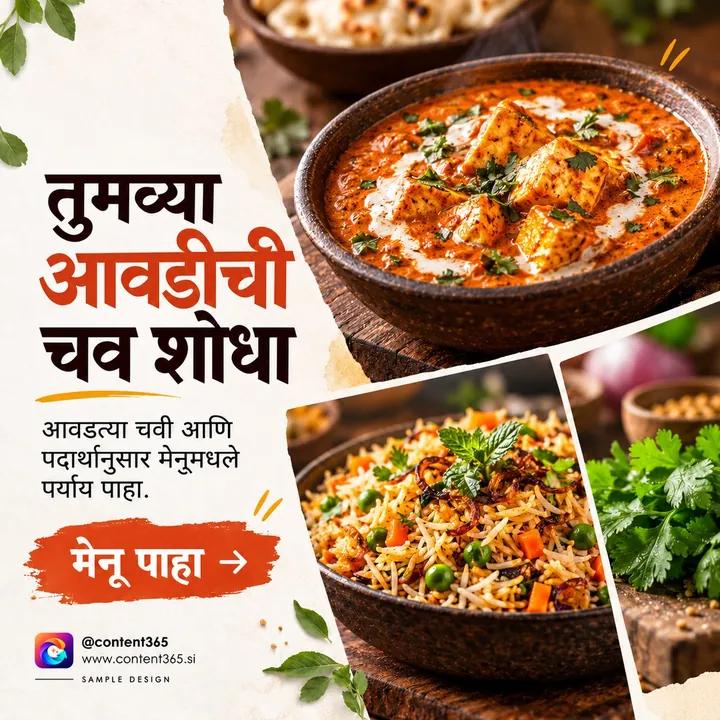
Each post is a 1080 x 1350 image with a square-safe centre, ready for Instagram, Facebook, WhatsApp, LinkedIn and X. An image model paints a scene with no text in it, then the studio's compositor places your real logo, business name, phone, website and call to action on top, from the exact text you gave. Phone numbers, e-mail addresses and WhatsApp links are removed from text before a model reads it, and go onto your posts only through the compositor. Captions come for Instagram, Facebook, LinkedIn and X, plus one in your own language (Hindi, Tamil, Bengali and 9 more), every day, and Indian festivals are planned into the calendar on the days they fall.
The pictures are scenes made for your brand by an image model, not a photo shoot of your own food, so keep posting your own photos alongside them. You review every day in your own gallery first; we do not post on your pages, and you post them yourself. Everything comes in one download folder, with a gallery that opens on any phone, so you can post from the kitchen. For product sellers who want to grow beyond home, our guide to social media for D2C product brands is a good next step.
Frequently asked questions
How often should a home business post?
Aim for most days, but choose a pace you can keep. A steady four or five posts a week is better than daily posts for one week and then nothing for a month. A weekly menu or flavour post on a fixed day is the most important one.
Should I use Instagram, Facebook or WhatsApp?
Use the ones your customers already use. For many home businesses, WhatsApp Status and groups bring the orders, Instagram helps new customers discover you, and Facebook reaches family groups and older customers. The same picture can go on all of them.
Is it safe to show my home on social media?
Share your area or a landmark, not your full address, and keep family members out of photos unless they agree. Never post identifiable photos of children without written parental consent.
Should I put prices in my posts?
Usually, yes. Clear prices and portion sizes save you from answering the same question in fifty messages, and they show customers you are open about what they will pay. If prices change often, put them in a pinned post or your catalogue and point to it.
Can I try it for free first?
Yes. The free first week gives you 7 posts and 1 carousel for your brand, with no payment needed. Sign in with Google to start free and see your own logo on real posts.
Let your page work while you cook
Your kitchen, your oven or your workbench is where the real work happens. Your page only needs to keep showing up. Start with the free first week, add your own photos when you have them, and when you are ready for the full year, see pricing or check what each extra brand costs.
See what Content365 makes for every industry.
More in industry guides: the newest, page 2


