Content365BlogFestivals and calendar
The Indian festival calendar for business posts: never miss Diwali, Holi or Navratri again
A festival post calendar for India: which festivals and national days to plan for, when they usually fall, post ideas for each, and how to never miss one.
Dhanteras morning. The shop opened at 9, the first customers were already at the counter by 9:15, and by noon there is a queue outside. Somewhere in between you remember: no Dhanteras post went up. Your competitor two lanes away posted a beautiful one at 7 in the morning, and three of today's customers mentioned it. By the time the rush ends at night, the day is over.
Every business owner in India knows this feeling. Festivals are the biggest moments of the year for many shops, and yet they are exactly the days you are too busy to think about Instagram. The answer is not to try harder on the day. It is a festival post calendar India-style, made weeks in advance, so the post is ready before the shutter goes up. This guide gives you the full-year list, when each festival usually falls, ideas for what to post, and a simple routine to never miss one again.
Why festivals catch businesses off guard
There are three reasons festival posts get missed, and none of them is laziness.
- Lunar festivals move. Diwali, Holi, Navratri, Eid, Raksha Bandhan and many others follow the lunar calendar, so they land on different dates each year. You cannot rely on memory or on last year's post.
- The busiest day is the festival day. For a jeweller, sweet shop, clothing store or gift shop, the days around a festival are when you are least free.
- Some festivals come in clusters. Navratri, Dussehra, Karva Chauth, Dhanteras, Diwali and Bhai Dooj can all arrive within a few weeks of each other, often alongside the start of the wedding season.
A calendar fixes all three. You look up the year's dates once, plan the posts in a quiet month, and on the day itself the only job is to post.
The festival post calendar India businesses need, season by season
Not every business should post for every festival. But this Indian festival list for business covers the occasions most commonly marked across the country. For moving festivals, the "When" column shows the months they usually fall in. Always confirm the current year's date from a reliable panchang or the official holiday list before you design.
| Season | Occasion | When | Good fit for |
|---|---|---|---|
| Winter | New Year | 1 January | Everyone |
| Winter | Lohri, Makar Sankranti, Pongal, Bihu | Mid-January | Food, sweets, clothing, kirana, regional brands |
| Winter | Republic Day | 26 January | Everyone, kept respectful |
| Spring | Vasant Panchami | January or February | Education, books, music, yellow-themed fashion |
| Spring | Women's Day | 8 March | Salons, fashion, jewellery, services led by women |
| Spring | Holi | March, sometimes late February | Colours, sweets, clothing, food, kirana |
| Spring | New financial year | 1 April | Banks, CA firms, B2B, any business |
| Spring | Baisakhi, Poila Boishakh, Vishu, regional new years | Mid-April | Regional brands, jewellery, clothing, food |
| Summer | Akshaya Tritiya | April or May | Jewellery, gold, property, vehicles |
| Summer | Eid | Moves through the year | Clothing, food, sweets, gifting, perfumes |
| Monsoon | Independence Day | 15 August | Everyone, kept respectful |
| Monsoon | Raksha Bandhan | Usually August | Gifts, sweets, jewellery, clothing |
| Monsoon | Janmashtami | August or September | Sweets, decor, clothing for children |
| Monsoon | Ganesh Chaturthi, Onam | August or September | Sweets, decor, clothing, home goods |
| Festive | Navratri, Durga Puja | September or October | Clothing, jewellery, vehicles, decor |
| Festive | Dussehra | September or October | Vehicles, electronics, property, new purchases |
| Festive | Karva Chauth | October or November | Jewellery, salons, clothing, gifting |
| Festive | Dhanteras and Diwali | October or November | Jewellery, electronics, utensils, sweets, everyone |
| Festive | Bhai Dooj, Chhath | October or November | Gifting, sweets, regional brands |
| Festive | Guru Nanak Jayanti | October or November | Everyone in regions that celebrate it |
| Year-end | Christmas | 25 December | Bakeries, gifting, cafés, decor |
| Year-end | Wedding season | Roughly November to February, varying by region | Jewellery, clothing, salons, caterers, venues |
Add your own local occasions: your city's foundation day, a big local fair, your shop's own anniversary. These are often the posts customers remember most.
Festival wishes posts for business: what makes one good
Most festival posts look the same: a diya, a generic greeting, a logo in the corner. They are not wrong, but they are easy to scroll past. Good festival wishes posts for business usually do three things:
- Connect the festival to what you sell, gently. A jeweller's Akshaya Tritiya post can be about the tradition of buying gold on that day. A kirana store's Makar Sankranti post can show til and gur.
- Keep the greeting warm, not salesy. On the main day itself, a plain, respectful wish often works better than a discount banner. Put offers on the days before.
- Look like you. Your logo, colours and business name should be unmistakable, so the post builds your brand, not just the festival.
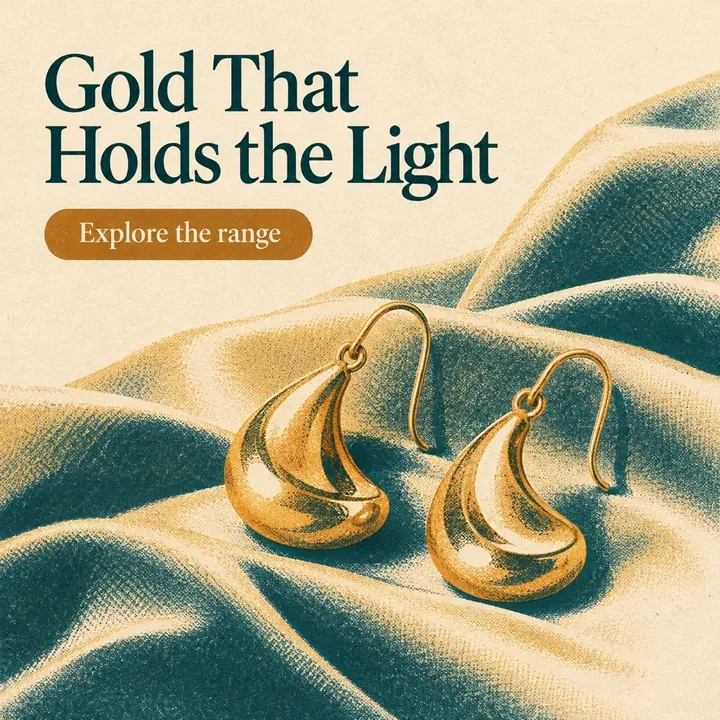
Here is the kind of gold-led post a made-up jeweller from our sample library might use to mark the start of the year:
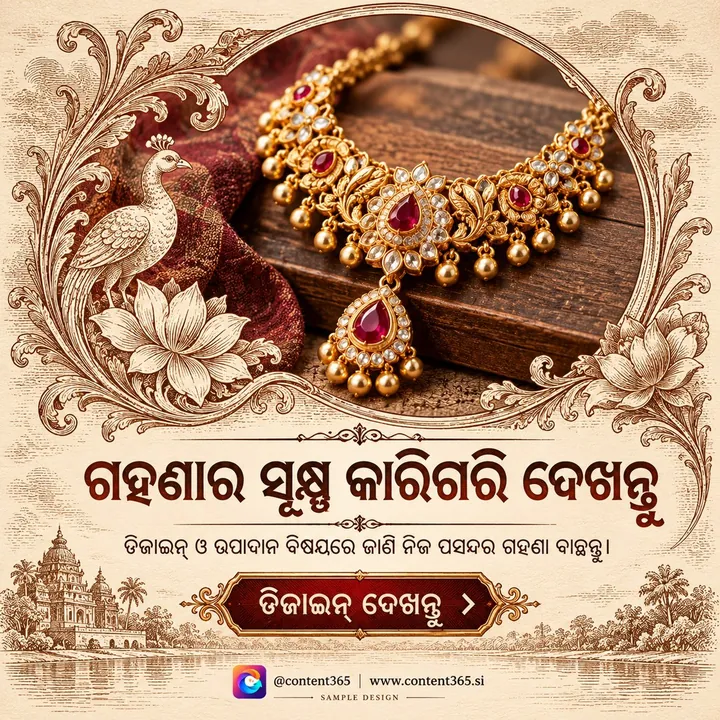
And here is a craft-led post a jeweller can use on a national day, respectful and still about its craft:
Festival marketing ideas for the build-up, the day and the day after
The festival day itself is only one post. The real festival marketing ideas live around it. For the bigger festivals, plan a short sequence:
- About two weeks before: a "plan ahead" post. New collection, pre-booking, gift hampers, extended hours.
- About a week before: the main offer post, with clear details and validity.
- Two or three days before: a reminder, such as "last days to order" or "visit us this weekend".
- On the day: a warm greeting, with little or no selling.
- The day after: a thank you to customers, or a "festival memories" post.
For a jeweller, Dhanteras and Diwali deserve a full run like this. For a clinic, a single respectful wish is enough. Match the effort to how much the festival matters to your customers.
For a deep dive into the busiest stretch, see our day-by-day Diwali social media post ideas, Dhanteras to Bhai Dooj, and the companion guide to Navratri and Dussehra posts for business.
Occasion based marketing beyond religious festivals
Occasion based marketing is not only about religious festivals. Some of the most useful occasions are secular, and they suit businesses that prefer not to post for every festival:
- The financial year. The start of April is a natural moment for banks, CA firms, B2B companies and any business offering "plan your year" services.
- Days that fit your trade. Doctors' Day for clinics, Teachers' Day on 5 September for coaching institutes, Children's Day on 14 November for schools and toy shops, World Environment Day on 5 June for eco brands.
- Seasons. The first rain, summer holidays, exam season, harvest time and the wedding season are all occasions your customers already feel.
- Your own milestones. Your shop's anniversary, a new branch, a new product line.
A jeweller's celebration collection, for example, fits naturally into the wedding season and the weeks before Diwali, when families think about new gold:

A simple routine so you never miss a festival again
You can run this yourself with a notebook or spreadsheet:
- Each December, list next year's dates. Use the table above as a checklist and fill in the current year's dates for the moving festivals.
- Mark the big ones. Choose the three to six festivals that matter most to your customers and give them the full build-up sequence.
- Make festival posts in a quiet month. Design them well before the season, when you have time, not the week of.
- Set reminders. One reminder a few days before each festival to check the post is ready, and one on the morning itself.
- Keep a respectful default. For festivals you do not plan in detail, a simple branded greeting is better than silence or a hurried one.
For how festivals fit into the rest of the year, our guide to the 365-day social media content calendar shows how to layer them with your everyday posts.
How Content365 plans festivals into your year
Content365 makes 365 posts for your brand, one for every day of the year, and Indian festivals and the financial year are planned into the calendar on the days they fall. So the Dhanteras post is already in your gallery long before Dhanteras morning, and the moving festivals land on the right days for your year, not last year's.
Each post is a 1080 x 1350 image with a square-safe centre, ready for Instagram, Facebook, LinkedIn, X and WhatsApp, with captions written for Instagram, Facebook, LinkedIn and X, plus Hindi. The image model paints the festive scene with no text in it, and the studio places your real logo, business name, phone, website and call to action on top, so your greeting is always unmistakably yours. Every picture is checked for stray text and problems, with up to 3 tries per day.
You review every day in your own gallery first, and you or your team post them. We do not post on your pages. The whole year for one brand is ₹3,999 including GST, not per month, and the free plan gives you 2 posts every 48 hours with no payment. You can start free with Google.
Frequently asked questions
Which festivals should a business post for?
Post for the festivals your customers actually celebrate, plus national days. A jeweller in Kolkata and a clinic in Chennai will have different lists. When unsure, a short, respectful branded greeting is a safe choice.
How do I find the exact date of Diwali or Holi each year?
These festivals follow the lunar calendar and move every year. Check a reliable panchang or the official government holiday list for the current year, and confirm before you design the post.
Should I give offers on the festival day itself?
Many businesses put offers in the days before the festival and keep the main day for a warm greeting. Customers usually plan purchases in advance, so the earlier posts do more of the selling.
Is it all right for every business to post festival wishes?
Generally yes, if the post is respectful and in good taste. Avoid using religious symbols carelessly, and keep the focus on the greeting rather than a hard sell on sacred days.
Does Content365 include regional festivals?
Content365 plans Indian festivals and the financial year into your calendar on the days they fall. You review every day in your gallery before posting, so you can choose which ones to use for your audience.
Never miss a festival post again
Festivals will keep arriving faster than you expect. Have the posts ready before they do: build your own calendar with this guide, or get the whole year made with your brand on every post. See pricing for the full year, browse sample festival posts by industry, and check the yearly plan when you are ready.